Basic Training
Learn how to interpret your own TKI Profile (as well as other individual profiles), which is a crucial component of all conflict management training
Purchase this Online Course
…
For Yourself
Our 2-hour, recorded online course, BASIC Training in Conflict Management focuses on the TKI and how to interpret your results—as well as those of others—across five conflict-handling modes: competing, collaborating, compromising, avoiding, and accommodating.
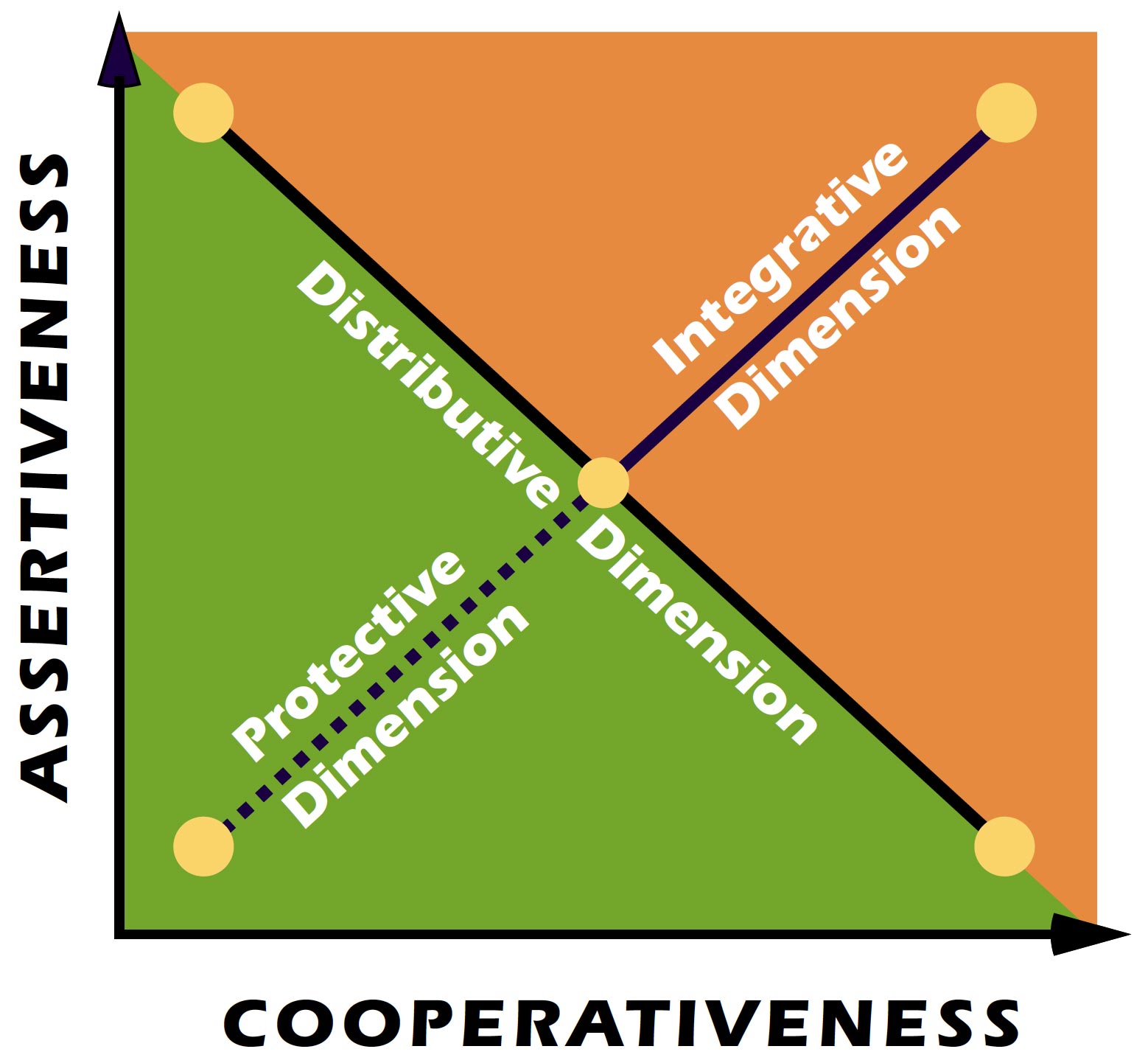
You’ll begin by learning about the underlying dimensions of conflict management: assertiveness and cooperativeness. You’ll also be introduced to three additional dimensions for interpreting conflict-handling behavior: the distributive, integrative, and protective dimensions.
…
The Price of This Course for Yourself: $225
90-Day Access Period
When you complete your purchase, you’ll have instant access to your course by selecting My Online Courses from your Dashboard. For 90 days, you can:
- Watch the recorded course as often as you’d like
- Download the 32-page course manual
- Purchase the TKI and take the assessment (optional)
- Take the Final Exam (optional)
NOTE: Once you purchase this course, it cannot be transferred to another person at any time.
…
Upgrade to a Course Collection
Your purchase of this course can be fully applied toward purchasing The TKI Package or The Complete Program. Learn more about the Upgrade Path to our two course collections.
Passing the Final Exam counts toward certification if you later upgrade to one of our two course collections.
…
Refund Policy
- Due to immediate access to all course materials, refunds are not available for this purchase.
…
$225 TO PURCHASE 1 COURSE
ONLY FOR YOURSELF
BASIC Training in Conflict Management Course
$225.00
Purchase this Online Course
…
For a Group or 1 Other Person
Our 2-hour, recorded online course, BASIC Training in Conflict Management focuses on the TKI and how to interpret your results—as well as those of others—across five conflict-handling modes: competing, collaborating, compromising, avoiding, and accommodating.
Participants begin by learning about the underlying dimensions of conflict management: assertiveness and cooperativeness. They’ll also be introduced to three additional dimensions for interpreting conflict-handling behavior: the distributive, integrative, and protective dimensions.
…
The Price for This Course
$225 per person for 1-4 persons
QUANTITY DISCOUNTS FOR THIS COURSE:
$200 per person for 5+ persons (applied automatically at checkout)
…
90-Day Access Period
For 90 days from the date the course is assigned, participants will be able to:
- Watch the recorded course as often as they would like
- Download the 32-page course manual
- Take the Final Exam (optional)
Courses are assigned after we receive your completed KD_Spreadsheet with participant information (names and email addresses). → Click on the tab below: How to Assign a Course to 1 or More Participants.
NOTE: Once a course is placed in a participant’s private account, it cannot be transferred to another participant at any time.
…
Refund Policy
- If your spreadsheet has NOT been imported and it has been less than 30 days from the purchase date, we will provide a full refund in case you’ve changed your mind (or if your previously scheduled educational program has been cancelled).
- But once we have imported your spreadsheet, we do not provide any refunds—in whole or in part—for any of our online courses.
…
How to Assign a Course to 1 or More Participants
After you’ve made your purchase, be sure to download the KD_Spreadsheet and carefully follow the instructions.
For example, if you bought this course for 1 other person, fill out the spreadsheet for just that 1 person. If you as well as other persons will each be taking this online course, please make sure to also include YOUR information on the completed KD_Spreadsheet.
When you send your completed KD_Spreadsheet to info@kilmanndiagnostics.com, please let us know your preferred:
- COURSE LAUNCH DATE
Please provide the date and time (Monday–Friday, 8AM–5PM Pacific Time) when you would like us to import your spreadsheet and provide your participants with access to their assigned course.
Examples:
(1) Jan 5, 2026 at 8AM PT
(2) ASAP
…
Once we import your spreadsheet, each listed participant is automatically assigned this online course to their newly created (or existing) private account. At the same time, they receive an email with their login credentials and instructions for accessing the course for 90 days.
Purchasing and Taking the TKI Assessment
The Thomas-Kilmann Conflict Mode Instrument (TKI) is not included with this online course. While purchasing the assessment is not required (as participants may have completed it previously and still have access to their results), recently completing the TKI assessment will likely enhance their learning experience.
Blended Learning and Passing the Final Exam
To learn how the members of any work group can blend the benefits of this recorded online course with live discussions, we provide these detailed steps: Blended Learning for BASIC Training in Conflict Management.
To ensure that your participants have learned all the relevant material in this course, you can require them to take and pass the Final Exam.
$225 PER PERSON TO PURCHASE THIS COURSE
…
ENTER THE NUMBER OF COURSES THAT YOU WISH TO PURCHASE FOR YOUR PARTICIPANTS (you can also include yourself in this group), or leave the default as 1, if you are making this purchase for just 1 other person.
If you enter 5 or more courses, the total charge will be based on the quantity discount.
BASIC Training in Conflict Management Course – Group Purchase
$225.00
RECORDED VIDEOS
take this online course on your laptop or desktop computer, or on your tablet or smartphone
90-DAY ACCESS
watch the course videos at your convenience: any day, any time, and as often as you like
COURSE MANUAL
provides a reduced image of every presentation slide with Dr. Kilmann’s additional insights
2 HOURS TOTAL
the average time for taking this online course, studying, and then passing the optional exam
ALL VIDEOS IN THIS COURSE INCLUDE
CLOSED CAPTIONS [CC] IN
ENGLISH AND SPANISH
(SEE THE ABOVE VIDEO)
Learn the TKI BASICS with Our Introductory Course on Conflict Management Skills Training
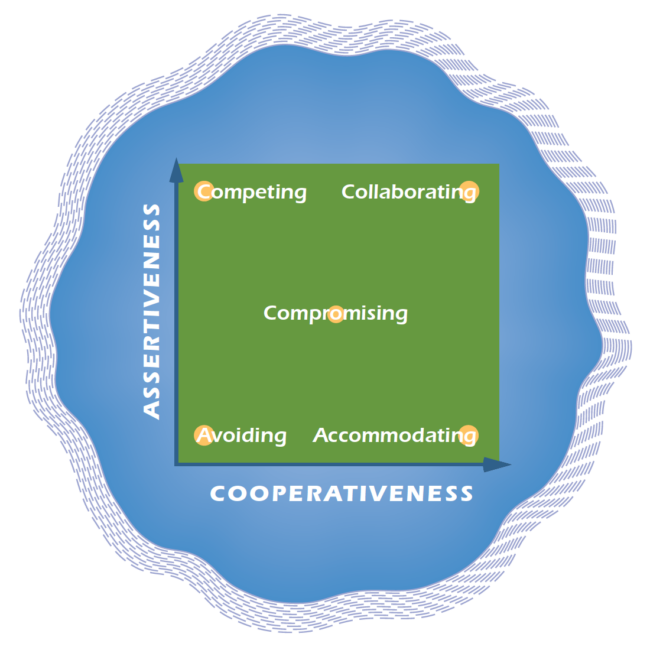
Our 2-hour BASIC course (including a 32-page Course Manual) focuses on the TKI and how to interpret your results (as well as those of other people) with regard to five conflict-handling modes: competing, collaborating, compromising, avoiding, and accommodating. But first you’ll learn about the underlying dimensions of conflict management: assertiveness and cooperativeness. And you will also be exposed to three additional dimensions for interpreting conflict-handling behavior: the distributive, integrative, and protective dimensions.
If you haven’t had much exposure to conflict management and the TKI, this course is a great introduction in a short amount of time. But if you’ve had considerable experience with the TKI yet want to make sure that you know how to use this assessment tool to its full potential, then skip the BASIC course and proceed with taking our 8-hour course: ADVANCED Training in Conflict Management.
Watch our FREE, very informative, Videos About the Thomas-Kilmann Instrument and Your Conflict Resolution Skills. You can also read many Full-Length TKI Articles and TKI Blogs. Lastly, you’ll learn a lot from Dr. Kilmann’s question-and-answer exchanges: FAQs About the TKI Assessment.
If you want to read the most up-to-date and comprehensive information about the TKI tool in one single document, consider purchasing Dr. Kilmann’s first (and only) TKI Book (published in 2023): Mastering the Thomas-Kilmann Conflict-Mode Instrument: Celebrating More Than 50 Years of Resolving All Kinds of Conflicts.
NOTE: Our BASIC course in conflict management training does NOT include your TKI assessment. Instead, if you wish to take the TKI just before or during the course, you’ll have to Purchase the TKI separately. This arrangement allows us to keep the price of the course $50 below what it would be if we bundled the TKI with the course. Many people who purchase this course have previously taken the TKI and, as such, don’t want to take it again (or pay for it again). But we do include two TKI assessments with our two course collections: The TKI Package and The Complete Program.
BENEFITS OF TAKING OUR
ONLINE COURSE ON THE BASICS OF
CONFLICT MANAGEMENT TRAINING

DOWNLOAD YOUR BEAUTIFULLY DESIGNED COURSE MANUAL: This online course for conflict management training comes with a 32-page downloadable manual that includes an image of every presentation slide, Dr. Kilmann's personalized notes, reference material, and space for note taking.
See Sample Manual for Conflict Management Training
LEARN WHAT DEFINES THE FIVE CONFLICT-HANDLING MODES: In a 2-hour recorded course, you'll hear Dr. Ralph Kilmann's crystal-clear voice explain the underlying dimensions of conflict management: assertiveness and cooperativeness. These dimensions define the TKI's five conflict-handling modes: competing, collaborating, compromising, avoiding, and accommodating.

LEARN THE THREE DIAGONAL DIMENSIONS ON THE TKI CONFLICT MODEL: You'll then hear Dr. Kilmann explain three additional dimensions on the TKI Conflict Model: the distributive, the integrative, and the protective dimensions. These extra dimensions provide greater depth and deeper insight into a person's TKI Profile and are thus a critical part of conflict management training.

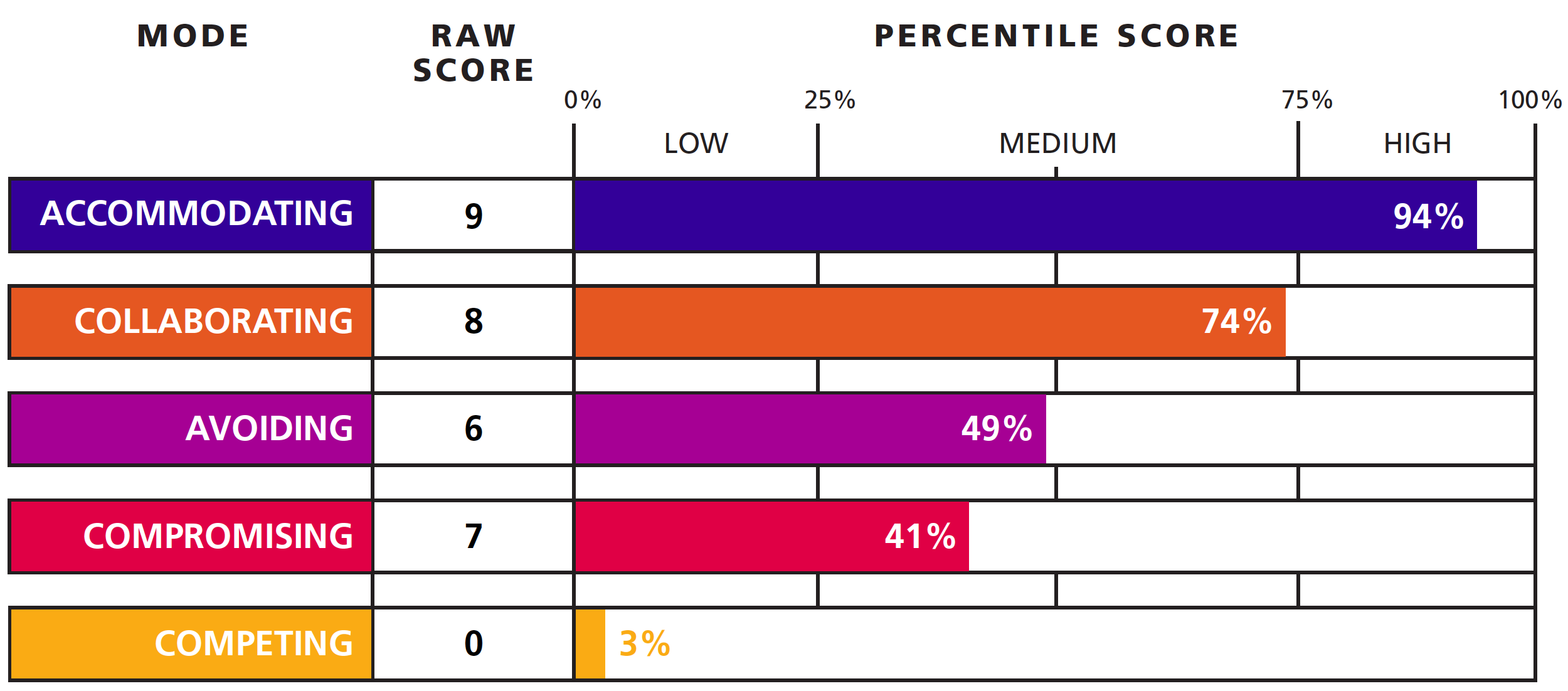
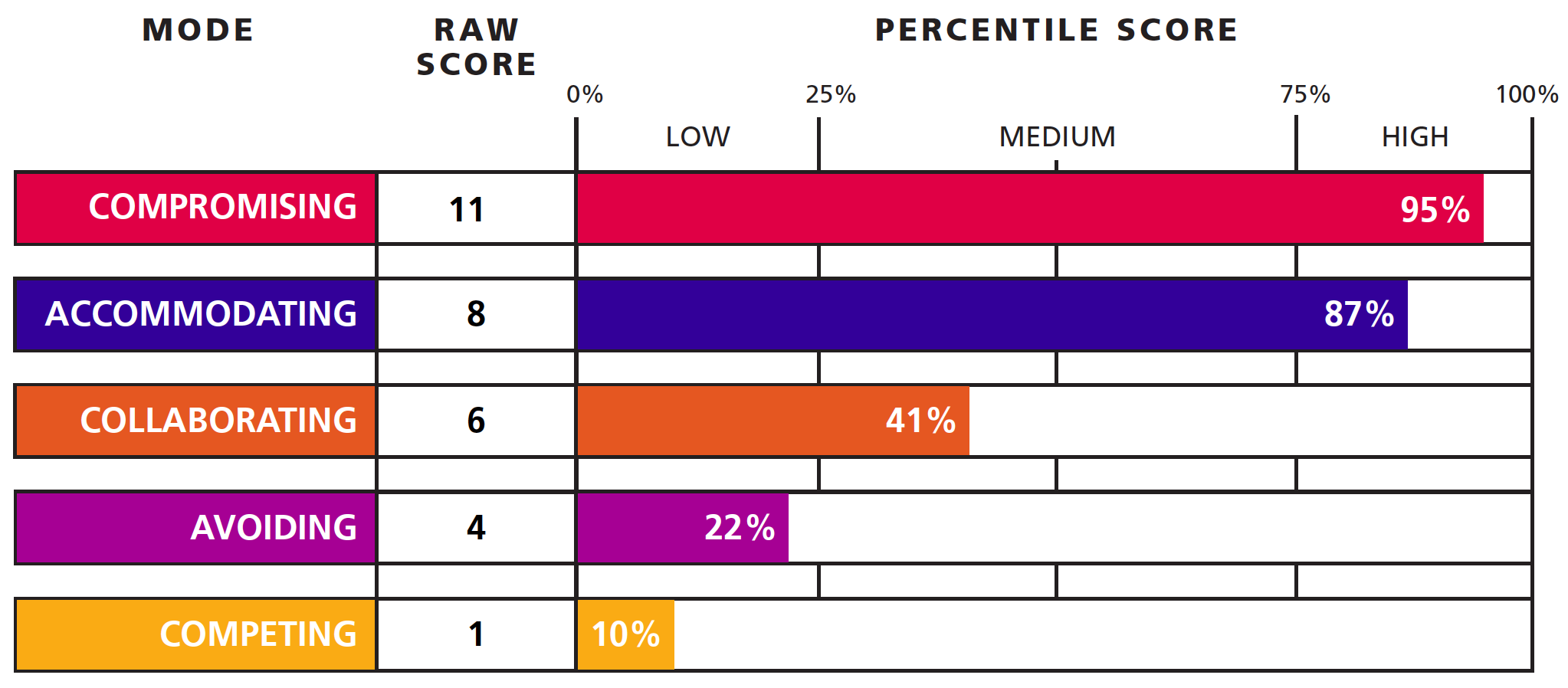
EXPERIENCE THE INTERPRETATION OF SIX DIFFERENT TKI PROFILES: Toward the end of this recorded online course, Dr. Kilmann provides his detailed—and insightful—interpretation of six very different TKI Profiles, which is one of the best ways to learn how to accurately interpret your own as well as other people's TKI results. His analysis of these six TKI Profiles also offers action recommendations on how these individuals can improve their conflict-handling behavior.

LEARN FROM THE CO-CREATOR OF THE TKI ASSESSMENT: By learning all about the TKI Conflict Model directly from the author himself, you can rest assured that you'll be using the TKI assessment accurately—and to its full potential.